
Last Updated: October 28, 2026
Quick Summary
Hawk proof dog vests can be comfortable when they fit snug but not tight, use lightweight materials, and are introduced gradually. Check that the vest stays centered on walks and does not rub, then follow a short seven-day acclimation plan with treats and brief sessions.
- Measure your dog's weight in pounds and chest girth in inches before choosing a vest size.
- Watch for red marks, shallow breathing, or stiff walking as signs a vest is too tight.
- Follow a seven-day plan starting with sniffing and treating before any wearing.
- Skip a day if your dog seems stressed, since slow beats fast here.
- Choose a lightweight vest so your dog can still move and bolt if needed.
Table of Contents
- Why Comfort Decides Whether Your Dog Wears a Hawk-Proof Vest
- How Should a Vest Fit a Dog for All-Day Comfort?
- Protective Dog Vest Materials and What They Feel Like to Wear
- How to Get a Dog Used to Wearing a Vest Without Stress
- How to Protect Your Dog From a Hawk While Keeping Them Comfortable
- Comfort by Climate, Activity, and Mobility
- What a Vest Can and Cannot Do: Setting Realistic Expectations
- Choosing the Right Raptor Shield Vest Size for Your Dog
- Frequently Asked Questions
Why Comfort Decides Whether Your Dog Wears a Hawk-Proof Vest
A protective vest only works if your dog keeps it on. If a vest rubs, pinches, or feels heavy, your dog may resist wearing it. Then the protection sits in a closet.
So the real question behind are hawk proof dog vests comfortable comes down to fit, weight, and how you introduce the gear. Get those three right and your dog may be more comfortable wearing a vest.
Below, we'll cover fit, sizing, and acclimation, as well as what a vest can and cannot do.
How Should a Vest Fit a Dog for All-Day Comfort?
A protective dog vest should sit snug but not tight. Check that it does not pull on the neck or ride up when your dog walks.
Fit is one factor to consider for comfort. A vest that shifts side to side may rub. One that's too tight may restrict movement.
Here's a quick fit check:
- Watch your dog walk and check whether the vest stays centered.
- Check whether the vest rubs.
Measuring Weight and Chest Before You Choose a Size
Start with two numbers: your dog's weight in pounds and chest girth in inches. Measure the widest part of the ribcage, just behind the front legs. Keep the tape snug, not tight.
Check your dog's weight and chest measurement together:
- Extra Small: 2-3 lb, 7.5-10.5 in chest
- Small: 4-6.5 lb, 10.5-13.5 in chest
- Medium: 7-11.5 lb, 13.5-17 in chest
- Large: 12-21 lb, 17.5-23 in chest
Check the Medium vest's exact fit range or the Large vest's measurements while you have the tape out.
Signs a Vest Is Too Tight or Too Loose
Watch for these signals. They tell you more than any measurement.
Too tight:
- Red marks or fur rubbed thin under the straps
- Shallow breathing or coughing on walks
- Stiff, robotic walking
Too loose:
- The vest twists to one side
- A leg slips through an opening
- Your dog can back out of it
A common mistake is judging fit while the dog stands still. Put your dog through a slow walk and a few turns. The vest should stay put.
Protective Dog Vest Materials and What They Feel Like to Wear
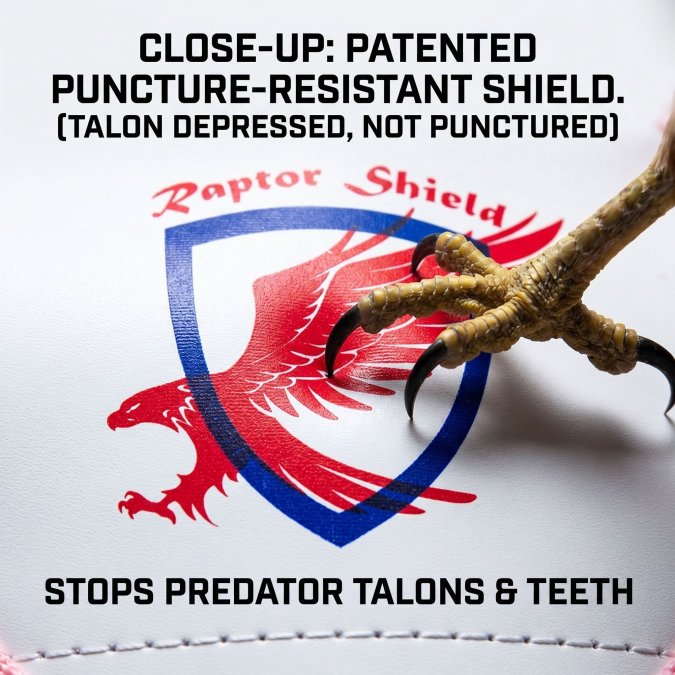
Protective dog vest materials range from hard plastic and polycarbonate to Kevlar-style fabric and leather, and each feels different against a dog's coat. The right material balances puncture resistance with weight and flexibility.
Here's how the main options compare:
| Material | Feel | Strength | Best For |
|---|---|---|---|
| Hard plastic | Rigid, bulky | High impact resistance | Back coverage |
| Polycarbonate | Light, stiff | Strong for its weight | Lightweight panels |
| Kevlar-style fabric | Soft, flexible | High puncture resistance | Flexible coverage |
| Leather | Heavy, warm | Good abrasion resistance | Cooler climates |
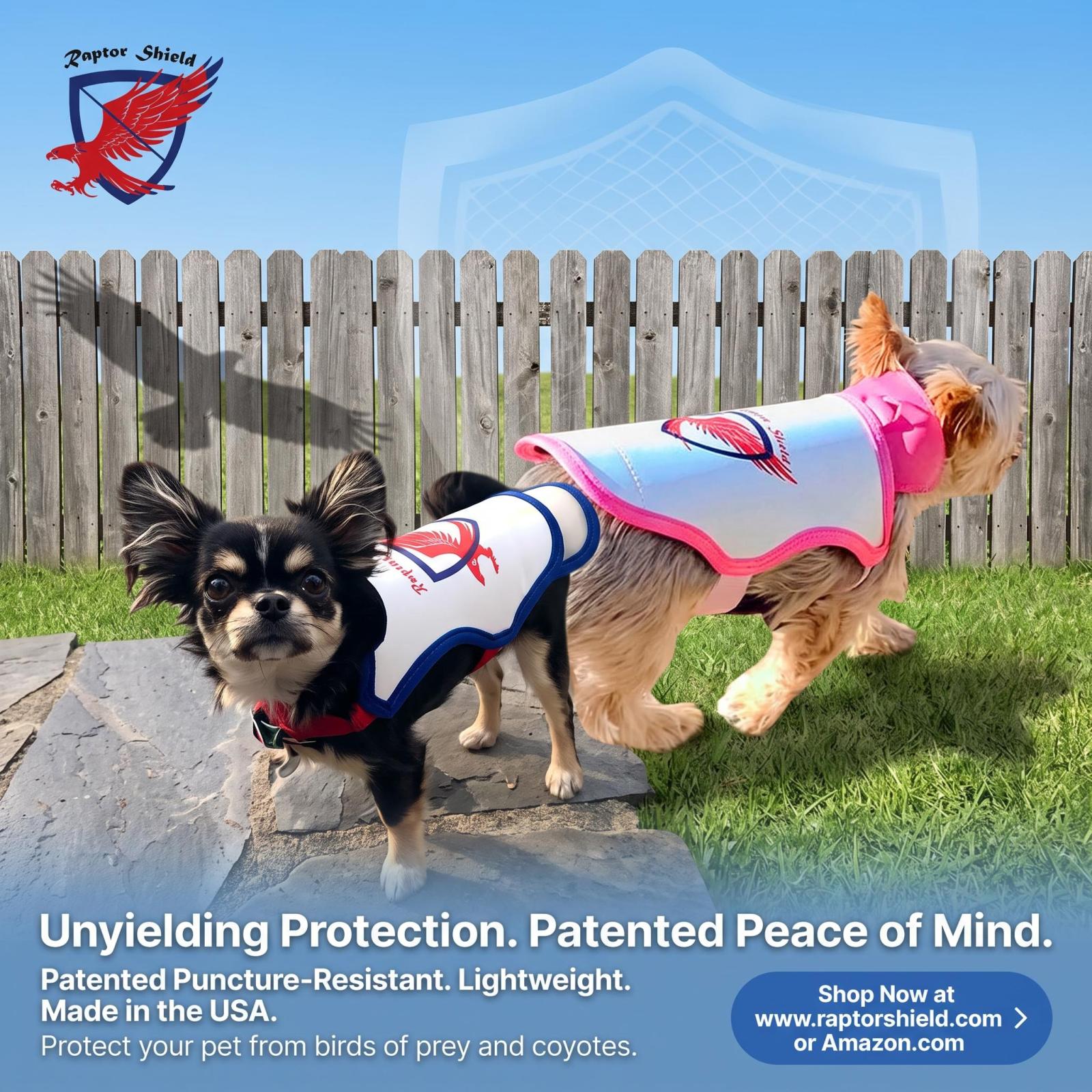
Our vests offer patented puncture-resistant protection and are lightweight, so your dog can run and play.
Our design is spike-free. You can learn more about how our vests are built.
How to Get a Dog Used to Wearing a Vest Without Stress
Short, positive sessions may help a dog get used to wearing a vest. Avoid forcing it on and leaving it.
A Seven-Day Acclimation Plan
Here's a simple plan you can follow:
- Day 1: Sniff and treat. No wearing.
- Day 2: Drape on back for 10 seconds, twice.
- Day 3: Fasten loosely for one minute indoors.
- Day 4: Wear during a meal or chew time.
- Day 5: Wear for a short indoor play session.
- Day 6: First short walk in the yard.
- Day 7: Normal walk with the vest on.
Skip a day if your dog seems stressed. Slow beats fast here.
Troubleshooting Resistance
If your dog freezes, tucks their tail, or tries to bite the vest, you've moved too fast. Go back a step and make the sessions shorter and more rewarding. Here are common problems and fixes:
- Dog won't move: Lure with a treat a few steps forward. Reward any movement.
- Dog tries to remove it: Distract with a favorite toy or chew, then remove the vest before they succeed.
- Dog pants or trembles: Check room temperature and fit. Try a lighter vest or loosen straps slightly.
- Dog hides when the vest appears: Pair the sight of the vest with treats before putting it on. Don't chase; let the dog come to you.
Our FAQs page covers fit, materials, and acclimation answers.
How to Protect Your Dog From a Hawk While Keeping Them Comfortable
A vest adds a layer of defense. It does not replace supervision.
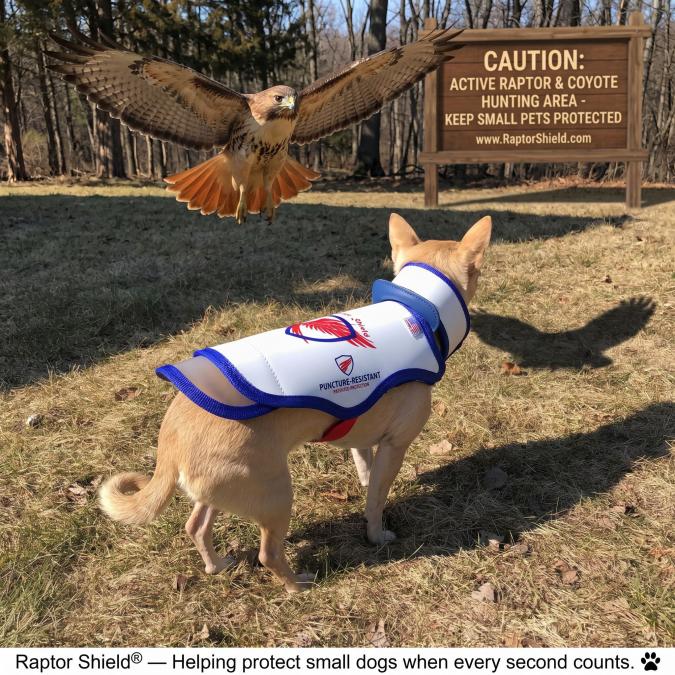
The vest provides added back coverage during supervised outdoor adventures.
Practical habits that help:
- Stay outside with your dog in open or wooded areas.
- Keep your dog close, especially at dawn and dusk.
- Scan the sky and tree line before letting your dog off-leash.
- Use a lightweight vest so your dog can still move and bolt if needed.
Mobility matters. Our vests are lightweight and designed for comfort while your dog runs and plays.
Comfort by Climate, Activity, and Mobility
Comfort is not a fixed property of a vest, it changes with temperature, humidity, and how hard your dog is working. A vest that feels fine on a cool morning can become a heat trap by afternoon. Understanding why helps you choose when and how long to use protective gear.
Heat and breathability. Dogs cool primarily by panting and through their paw pads; a vest that covers the back and chest reduces the surface area available for heat exchange. Dark colors absorb more solar heat, and non-breathable fabrics trap moisture. In warm weather (above about 75°F), prefer the lightest vest in your rotation, keep sessions short, and check for these early signs of overheating:
- Excessive panting that doesn't slow with rest
- Thick, rope-like drool
- Brick-red gums or tongue
- Reluctance to move or lying down mid-walk
Offer shade and water every 15-20 minutes. If your dog seems overheated, remove the vest, wet the coat, and move to a cool area.
Cold weather.
Activity level.
Mobility check.
Chafing and wear duration.
What a Vest Can and Cannot Do: Setting Realistic Expectations
A protective vest offers puncture-resistant protection. No protective gear can guarantee safety against an attack.
Predators are unpredictable.
What the vest does:
- Provides added back coverage during supervised outdoor adventures
- Offers a lightweight, spike-free design
What it does not do:
- Guarantee safety against an attack
One customer's dog wore a vest during a coyote attack and came out of it safe and clean. That's the outcome we design for. It's also why we tell every owner to stay close and supervise.
Choosing the Right Raptor Shield Vest Size for Your Dog
Check your dog's weight and chest measurement before choosing a size.
Our vests are lightweight and spike-free, with patented puncture-resistant protection. The catalog lists sizes for dogs from 2 to 21 pounds, and shipping is free anywhere in the USA.
Ready to find the fit? Shop all vest sizes and options in one place. Protect your small dog.
DON’T WAIT FOR THE CLOSE CALL. Raptor Shield®, Helping protect small dogs when every second counts. Made In the USA. Visit www.RaptorShield.com, order on Amazon, or buy now with our secure checkout: https://www.paypal.com/ncp/payment/S4N7YYEXH8Q8C / https://www.amazon.com. Protect Your Small Dog.
Frequently Asked Questions
How can you tell if a hawk-protection vest fits your dog comfortably?
Check your dog's weight and chest measurement before choosing a size. The vest is designed for comfort while your dog runs and plays.
Can a protective vest restrict a small dog's movement?
Raptor Shield vests have a lightweight, spike-free design and harness-style support, designed for comfort while your dog runs and plays.
How long should a dog wear a protective vest at first?
Always supervise your dog outdoors and keep them close.
What materials should you look for in a hawk-protection dog vest?
Raptor Shield offers patented puncture-resistant protection in a lightweight, spike-free vest designed for comfort while your dog runs and plays.
