
Last Updated: November 2, 2026
Quick Summary
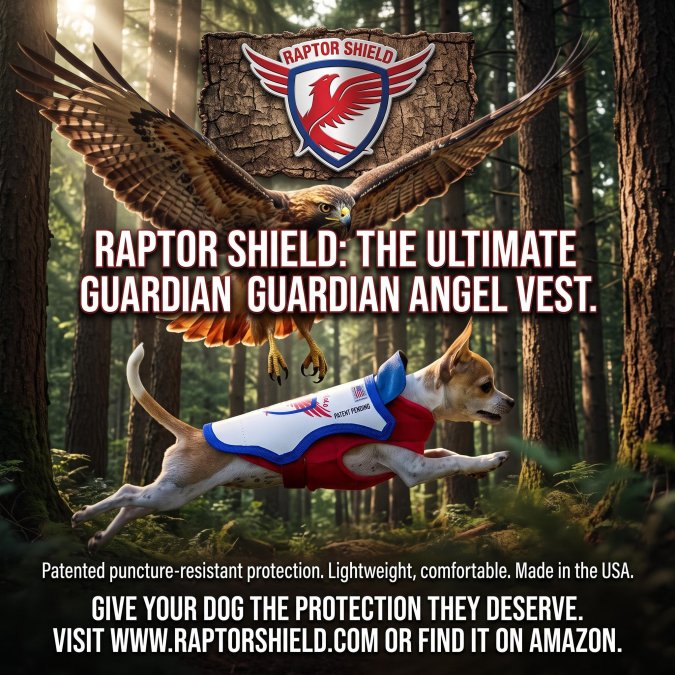
A dog neoprene vest is worth it for small dogs when you need chest and back coverage, not cold-water warmth. Our Raptor Shield vests use patented puncture-resistant material in a lightweight, spike-free design sized for dogs from 2 to 21 pounds.
- Neoprene traps a thin layer of water against the skin, so 3mm suits milder conditions and 5mm suits colder water.
- Four sizes cover dogs from 2 to 21 pounds, and buying two or more takes $10 off.
- Measure the chest behind the front legs three times and use the largest number.
- Rinse in cool water after every outing, hand wash with mild soap, and air dry flat in the shade.
- A 5mm vest on a 75-degree day traps heat and can overheat a small dog fast.
Table of Contents
- What a Dog Neoprene Vest Actually Does
- Raptor Shield Vest Sizes and Pricing Compared
- The Dog Vest Sizing Guide: Measure Before You Buy
- Is a Neoprene Hunting Dog Vest Right for Your Dog?
- How to Clean a Neoprene Dog Vest
- Where Neoprene Vests Fall Short
- Choose the Right Vest for Your Small Dog
- Frequently Asked Questions
What a Dog Neoprene Vest Actually Does
A dog neoprene vest is a close-fitting layer made from the same rubber-foam material as wetsuits, and it does two jobs: it holds a thin layer of water against the skin for warmth, and it adds a physical barrier over the chest and back. At Raptor Shield, we build our vests around the second job, because for a small dog in coyote or hawk country, barrier matters more than insulation.
Neoprene traps a film of water between fabric and skin; body heat warms it, and the closed-cell foam slows heat loss. That is why 3mm suits milder conditions and 5mm suits colder water.
What neoprene does not do is stop a bite or a talon. A wetsuit-style layer cushions and insulates but does not resist puncture.
Cornell University College of Veterinary Medicine on working dog health and safety
Raptor Shield Vest Sizes and Pricing Compared
Four sizes cover dogs from 2 to 21 pounds. The extra small runs $77.50; the small, medium, and large run $81.50 each. Buy two or more and you take $10 off.
| Size | Dog Weight | Chest Measurement | Price | Best For |
|---|---|---|---|---|
| Extra Small | 2-3 lb | 7.5-10.5 in | $77.50 | Toy breeds, puppies |
| Small | 4-6.5 lb | 10.5-13.5 in | $81.50 | Yorkies, tiny terriers |
| Medium | 7-11.5 lb | 13.5-17 in | $81.50 | Most small adults |
| Large | 12-21 lb | 17.5-23 in | $81.50 | Bigger small breeds |
Every size comes in pink or blue, uses a lightweight spike-free design, and provides harness-style support.
Large: 12 to 21 Pounds
This size suits a sturdy small dog that thinks it is bigger than it is. The 17.5 to 23 inch chest range is the large vest's measurement. The large Raptor Shield Vest gives back coverage in a lightweight design.
Best for: dogs at the top of the small range who still need coverage. Skip if: your dog measures past 23 inches at the chest.
Medium, Small, and Extra Small
Three sizes handle the lower end, with deliberate gaps between them. A 7-pound dog and a 10-pound dog do not share a chest circumference.
The medium vest covers 7 to 11.5 pounds. The small vest fits 4 to 6.5 pounds. The extra small vest is built for 2 to 3 pounds, the range where most generic harnesses simply do not go small enough.
Best for: toy breeds and anxious dogs who need a close, quiet fit. Skip if: your dog falls between two weight ranges and you have not measured the chest.
The Dog Vest Sizing Guide: Measure Before You Buy
Weight is a starting point, not an answer. A dense 9-pound dog and a lanky 9-pound dog wear different vests, which is why every size chart lists chest circumference alongside weight.
How to Measure a Dog That Won't Stand Still
Most owners measure once, get a number, and order, often wrong because the dog shifted, the tape slipped, or the coat compressed the reading. A more reliable routine:
- Stand the dog on a flat, non-slip surface, not on your lap, not on a sofa cushion
- Wrap the tape behind the front legs at the deepest part of the chest
- Keep the tape snug but able to slide one finger underneath
If your dog is wriggly, measure after a walk when energy is lower, or have a second person hold a treat at nose level. A cloth tailor's tape beats a retractable metal tape because it follows the ribcage curve.
Watch out: measuring over a thick coat or bulky collar adds inches that are not there, and you will order a vest that slides off mid-run.
How to Check Fit in Motion
A vest that fits on a stationary dog can still fail once the dog moves. After the vest is on, run through this check:
- Two-finger rule at the chest: you should be able to slide two fingers under the chest strap, no more. One finger means it is too tight; three means it will shift.
- The tug test: gently pull the vest backward at the handle. It should not slide past the shoulder blades. If it does, the chest adjustment is too loose.
- The sit-and-stand test: ask the dog to sit, then stand. The vest should not bunch at the neck or ride up over the hips.
Signs a Vest Is Too Tight or Too Loose
| Signal | Too Tight | Too Loose |
|---|---|---|
| Movement | Short strides, reluctance to run | Vest rotates or slides to one side |
| Skin | Redness or rubbing behind the front legs | Gaps you can fit a whole hand under |
| Behavior | Pawing at the chest, panting at rest | Dog steps out of it or catches a leg |
| Fit check | Cannot slide one finger under the strap | Can slide three or more fingers under |
A snug fit is the goal, but snug is not the same as tight. If your dog falls between two sizes, size up only if the chest measurement is within half an inch of the larger range; otherwise stay with the smaller size and adjust the straps.
Is a Neoprene Hunting Dog Vest Right for Your Dog?
For a working retriever in cold water, yes. A neoprene hunting dog vest adds buoyancy, holds warmth during a water retrieve, and protects the chest from brush and submerged debris.
For a 6-pound house dog, the calculus changes. A hunting vest is built for hours in a marsh; your dog spends twenty minutes in a yard.
That is the gap our vests fill. The Raptor Shield design uses patented puncture-resistant material, similar to what goes into bulletproof glass.
No protective gear guarantees safety against a predator.
How to Clean a Neoprene Dog Vest
Rinse it in cool water after every wet or muddy outing, then hand wash with a mild soap and air dry flat, away from direct heat. For quick answers to common cleaning and care questions, see the FAQs. Neoprene is forgiving, but heat and detergent are not.
Step-by-Step Washing
- Rinse immediately after use. Cool water, no soap, to flush mud, salt, and pond water out of the seams and foam.
- Hand wash with mild soap. A few drops of dish soap or neoprene wash in a basin of cool water; work it in with your fingers, not a brush.
- Rinse until the water runs clear. Soap residue attracts dirt and can irritate skin.
- Squeeze, don't wring. Press water out between flat palms; wringing stretches seams and breaks down foam cells.
- Air dry flat in the shade. Lay it on a towel or rack, away from direct sun and radiators.
Skip the washing machine, agitation stretches seams and breaks down foam, and skip the dryer entirely, since heat warps neoprene and shrinks the fit.
Drying Time and Storage
A 3mm neoprene vest typically dries in 4 to 8 hours in a warm, ventilated room; a 5mm vest can take 12 hours or more. Humidity slows drying dramatically.
Store only when fully dry. A damp vest folded into a bin grows mildew, and mildew odor is hard to remove once it sets into the foam. Hang it on a wide plastic hanger or lay it flat in a breathable cotton bag.
Odor Control
Neoprene absorbs sweat, pond water, and dog oils, and the closed-cell foam holds odor longer than woven fabric. For routine odor control:
- Rinse with cool water after every swim or muddy run
- Add half a cup of white vinegar to the wash basin once a month
- Sprinkle baking soda on the dry vest, let it sit for an hour, then brush it off
If odor persists after washing, the foam may have absorbed bacteria. A 15-minute soak in diluted neoprene cleaner, followed by a thorough rinse and full air dry, usually resolves it.
Zippers, Seams, and the Outer Layer
For the protective outer layer, wipe it down with a damp cloth and check the seams and zipper for grit. A covered zipper that collects sand will start to bind. A soft brush clears it.
- Zipper: rinse with fresh water after saltwater or sandy outings, then work the slider back and forth while damp
- Seams: inspect for loose stitching or foam separation; repair a pulling seam before the next outing
- Straps and buckles: wipe with a damp cloth and check for cracks or stiffness
Where Neoprene Vests Fall Short
Neoprene is not armor. A standard neoprene vest cushions and insulates but does not resist puncture.
Three limitations worth knowing before you buy:
- Warmth cuts both ways. A 5mm vest on a 75-degree day traps heat and can overheat a small dog fast.
- Water trapping needs skin contact. A loose vest lets water flush through instead of holding a warm layer, which defeats the insulation.
- Mobility suffers with thickness. A 3mm vest lets a dog run and jump. A thick vest turns a quick turn into a stumble.
There is also the question of what happens after an attack. A vest that limits exposure is not a substitute for supervision, a secure fence, or keeping your dog close on a lead during high-risk hours.
USDA Wildlife Services on coyote behavior and urban encounters
Choose the Right Vest for Your Small Dog
Match the vest to the threat, not the label. If your dog swims in cold water, buy neoprene for warmth.
We built Raptor Shield for the second case: lightweight, spike-free, with harness-style support. It is not a guarantee.
A dog wore one of our vests during a coyote attack and came out of it safe and clean.
The close call usually comes without warning: a hawk dropping out of a tree line, a coyote stepping out of the brush at dusk.
Frequently Asked Questions
What is a neoprene dog vest used for?
A neoprene dog vest gives a dog an extra layer of coverage on the chest and back during supervised outdoor time. Neoprene holds warmth in cold water and adds a barrier against scrapes and brush. Raptor Shield vests go a step further with patented puncture-resistant material designed to help protect small dogs from coyotes and birds of prey. No vest can guarantee safety against an attack, so always supervise your dog outdoors and keep them close.
How should a dog neoprene vest fit?
A dog neoprene vest should sit snug but not tight, with room for two fingers under the chest strap and no bunching behind the front legs. Measure your dog's chest at its widest point and weigh them before ordering. Raptor Shield sizes run from extra small at 2 to 3 pounds and 7.5 to 10.5 inch chest up to large at 12 to 21 pounds and 17.5 to 23 inch chest. If your dog falls between two sizes, size up for comfort.
Do neoprene dog vests protect against sharp objects?
Standard neoprene alone does not stop sharp objects; it cushions and insulates. Protection against talons or teeth depends on the material layered into the vest. Raptor Shield vests use patented puncture-resistant material, made from materials used for bulletproof glass. Ask what the vest is actually rated for before assuming it will stop a predator.
How do you clean and dry a neoprene dog vest?
Rinse a neoprene dog vest in cool fresh water after every outdoor use, then hand wash with mild soap and rinse again. Skip the washing machine and dryer, which can break down the material and seams. Hang the vest to air dry in the shade, away from direct heat, and make sure it is fully dry before storing it. Check seams and straps each time you clean it.
Can a dog wear a neoprene vest all day?
Wear time should be limited to supervised outdoor activity. Neoprene traps heat, so a dog wearing one for hours in warm weather can overheat. Use it for supervised yard time, hikes, and cold-water retrieves, then take it off indoors. Watch for panting, restlessness, or rubbing at the straps, and give your dog a break if any of those appear.
